
Daniel
With experience in fastener manufacturing and export sales, we specialize in bolts, nuts, screws, self-drilling screws, fully threaded rods, and customized fastening solutions for construction, machinery, automotive, and industrial applications.
Articles by Daniel

How to Calculate TCO and ROI in Fastener Procurement: Moving from Unit Price Comparison to Total Cost Decision-Making
A low unit price for fasteners does not mean low procurement cost; quality fluctuations, inventory carrying costs, delivery delays, and downtime losses can all erode the price difference. This article outlines the TCO cost items, ROI, and payback period calculation methods for fastener procurement, and uses examples to show how to compare a low-price option with a low-total-cost option.

How to Calculate Total Cost of Ownership in Fastener Procurement: From Unit Price Comparison to Full Lifecycle Management
The true cost of fastener procurement goes beyond the quoted price and also includes quality inspection, inventory and delivery, assembly rework, and subsequent maintenance. This article provides a TCO calculation framework based on the company's own data and outlines practical steps for specification standardization, supplier evaluation, category risk identification, and inquiry communication.

Standardizing the Fastener Procurement Process: From Requirements Definition to Mass-Production Review
This article outlines the complete fastener procurement process, from requirements definition, quotation inquiries and price comparisons, supplier qualification and sample confirmation, to order follow-up, incoming material acceptance, and mass-production review. By unifying technical documents, quotation bases, acceptance standards, and change records, companies can improve collaboration efficiency, reduce procurement risks, and turn experience into a mechanism for continuous improvement.

2025 Fastener Procurement Guide: Lead Times, Compliance, and Total Cost Evaluation
This article focuses on delivery stability, compliance and quality traceability, and landed total cost, outlining the key metrics and practical processes for B2B buyers evaluating fastener suppliers. By standardizing data definitions, managing standard and custom parts by category, and establishing an auditable procurement baseline, companies can reduce supply risk and shift decisions from simple price comparison to comprehensive evaluation.

Don't Compare Unit Prices Alone When Sourcing Fasteners: Identify Three Types of Hidden Costs
A low fastener quote does not necessarily mean a low total procurement cost; quality fluctuations, delivery and inventory problems, and joint failures can all lead to inspection, rework, downtime, and maintenance expenses. This article outlines three common types of hidden costs and provides a total cost evaluation checklist to help procurement teams make more cost-effective choices based on specifications, quality, delivery, and usage risks.

Fastener Supplier Evaluation Guide: From Quote Comparison to Full Lifecycle Cost Management
This article explains how to establish a fastener supplier evaluation and dynamic tiering mechanism by combining procurement scenarios, quality, delivery, technical support, and collaboration performance. By calculating full lifecycle costs, strengthening admission verification, and continuously tracking performance, companies can reduce supply risks and make more sustainable procurement decisions.
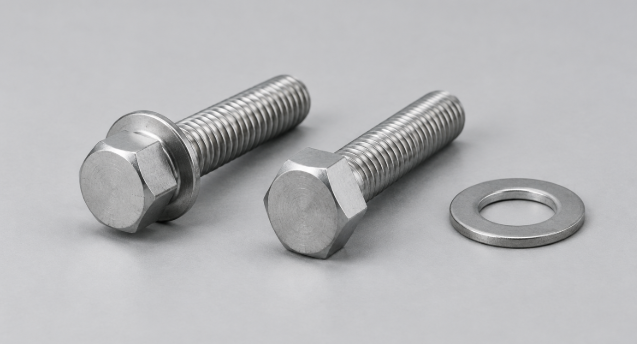
Do Flange Bolts Need Washers? DIN 6921 Buyer's Guide
Learn when DIN 6921 flange bolts may be used without separate washers, which joint checks matter, and what to include in a flange-bolt RFQ.

Fastener Supplier Factory Audit Checklist: 12 On-Site Audit Points
Fastener procurement cannot rely solely on quotations and samples; material traceability, production processes, heat treatment, surface treatment, and batch inspection all affect the stability of bulk deliveries. This article outlines on-site verifiable factory audit points to help procurement teams assess suppliers' manufacturing capabilities, quality control, and long-term cooperation risks.
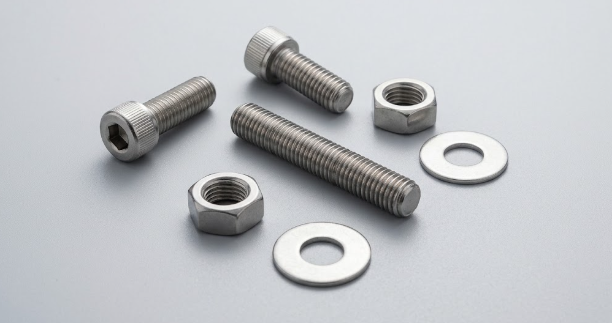
304 vs 316 Stainless Steel Fasteners: Buyer's Guide
Compare 304 and 316 stainless steel fasteners by environment, A2/A4 markings and property class. Check material, exposure and inspection needs before your RFQ.

From Inquiry to Mass Production: A Standardized Management Guide for the Full Fastener Procurement Process
This article outlines the closed-loop process of fastener procurement, from requirement definition, supplier evaluation, and quotation comparison to sample validation, mass production control, and delivery review. By standardizing specifications, inspection requirements, and record-keeping tools, companies can coordinate quality, cost, and delivery timelines on a more informed basis and continuously improve procurement management.

How B2B Fastener Procurement Can Avoid Standard Inconsistencies: From Returns to a Specification Closed Loop
Returns of hex bolts are often not simply a quality issue, but rather a failure to clarify in advance the standards system, version, dimensions, threads, materials, and inspection requirements. This article outlines the key points for confirming procurement specifications and explains how to evaluate suppliers, unify document versions, and establish a traceable closed loop for fastener standards.
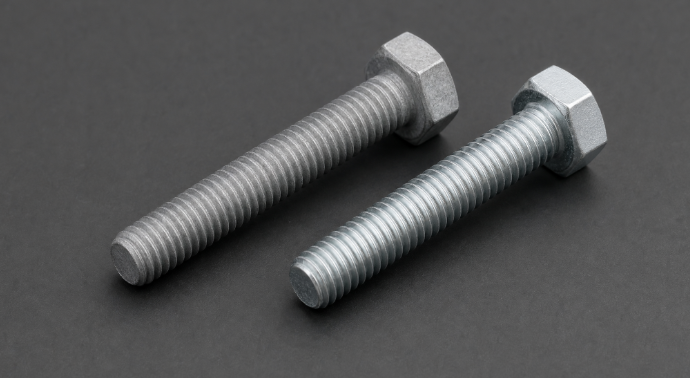
Hot-Dip Galvanized vs Zinc-Plated Bolts: A Buyer's Specification Checklist
Compare hot-dip galvanized and zinc-plated bolts by exposure, thread fit, grade and coating acceptance. Prepare a clear bulk RFQ before comparing quotes.

Fastener Supplier Factory Audit: An 8-Step Checklist for Verifying ISO/DIN Standard Compliance Capability
Having a complete set of certificates does not mean every batch of bolts, nuts, and screws meets requirements. Procurement personnel also need to verify standard versions, raw material traceability, production processes, inspection capabilities, and batch documentation. This article provides an eight-step factory audit checklist that can be executed on site, and explains how to score, remediate, and re-verify, helping to reduce quality and delivery risks.

Don't Judge Fastener Procurement by Unit Price Alone: Use TCO to Calculate the True Cost
A lower fastener quote does not mean a company's actual procurement cost falls by the same amount; logistics, inspection, inventory, assembly, quality losses, and delivery risks can all offset unit-price savings. This article introduces a method for breaking down total cost of ownership (TCO), common hidden costs, and key points for fairly comparing supplier quotes, helping procurement decisions return to real data.
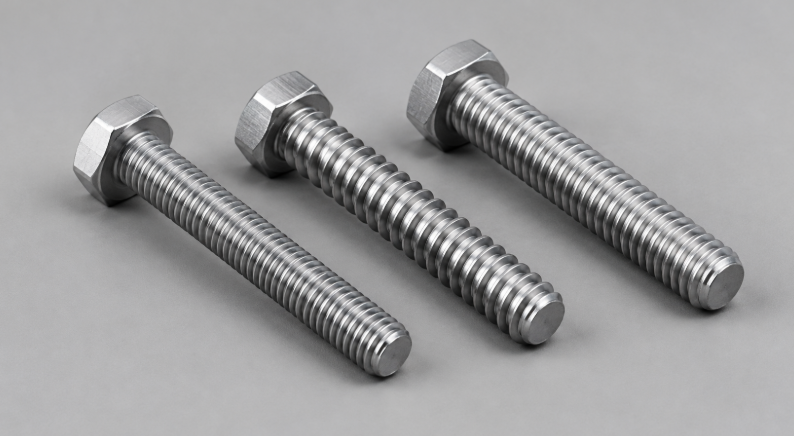
Metric vs UNC/UNF Fasteners: Thread RFQ Checklist
Specify metric, UNC and UNF fasteners for an RFQ. Check pitch or TPI, thread class, mating parts, finish and inspection details before ordering.

2025 Fastener Export Guide: Keeping Compliance, Quality, and Lead Times Under Control
In 2025, fastener export orders place higher demands on standard confirmation, in-process quality, batch traceability, and stable delivery; price alone is no longer enough to win long-term partnerships. This article covers key points on exporting US-standard bolts, quality control for high-strength bolts, matched supply, lead time management, and supplier evaluation, and provides a pre-shipment checklist.

From Inquiry to Mass Production: A Standardization Guide for the Fastener OEM Procurement Process
This article outlines the standard process for fastener OEM manufacturing, from inquiry, technical review, and quotation through sample confirmation, mass production control, and delivery acceptance. By clarifying requirement documents, quality standards, responsibility milestones, and traceability mechanisms, buyers can reduce quality and supply risks and continuously optimize cost and lead time.

How to Compare Fastener Procurement Prices: Moving from Unit Price to Full Lifecycle Cost
Differences in fastener quotations may stem from specifications, materials, processes, testing, and delivery terms. Procurement should first standardize requirements, then compare genuinely comparable quotations. Only by calculating total cost in light of application conditions, quality risks, and service life can reliability, compliance, and procurement value all be balanced.
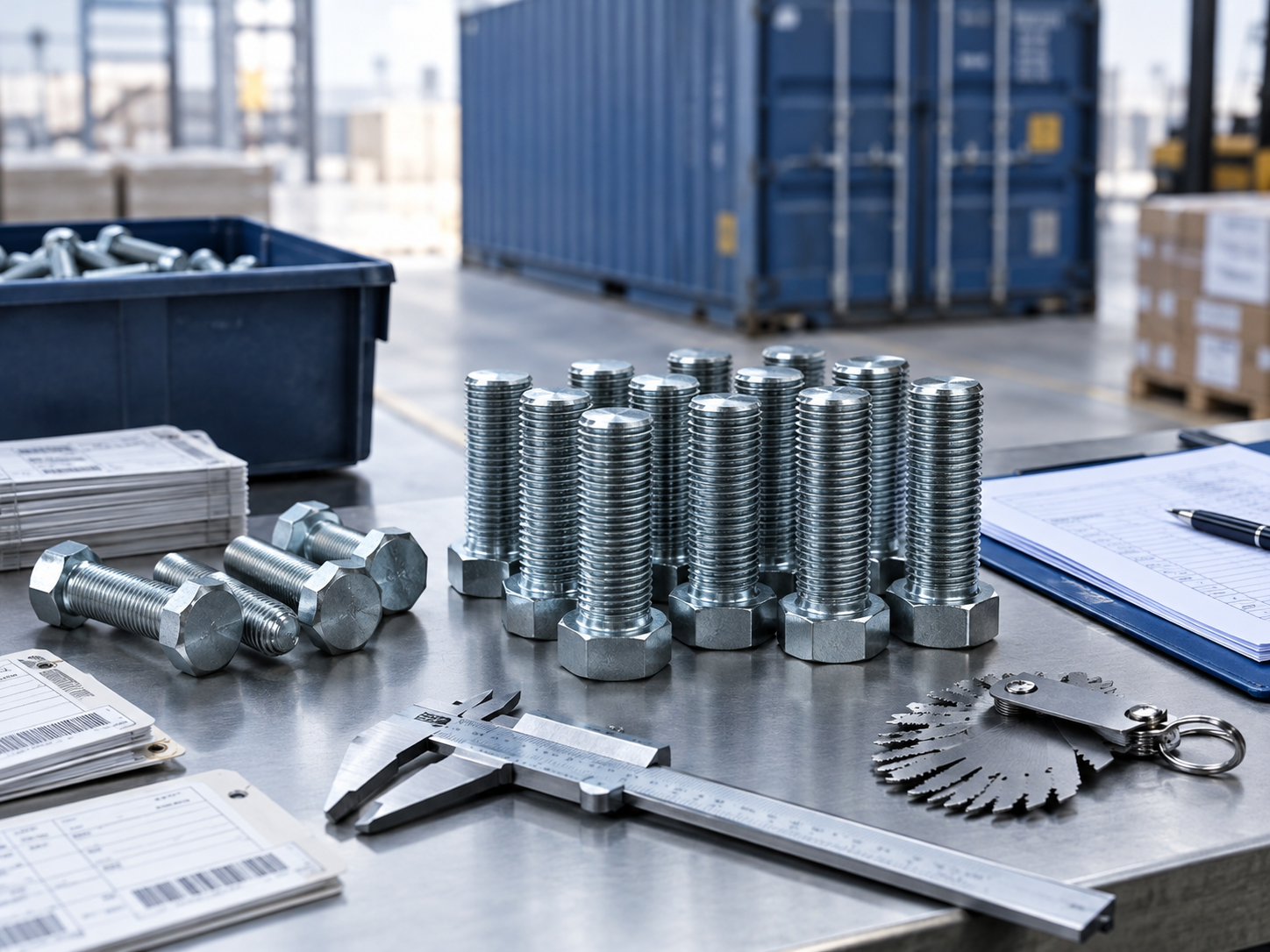
US Standard Bolt Export Compliance Guide: From Standard Confirmation to Packing Release
Even if a shipment of bolts is produced and shipped on time, it may still be rejected at the destination port due to inconsistent understanding of standards, physical parameters, inspection documents, or packaging markings. This article outlines the key verification steps for exporting US standard bolts and provides a practical process from order acceptance and production to shipping traceability, helping companies stop risks before packing.
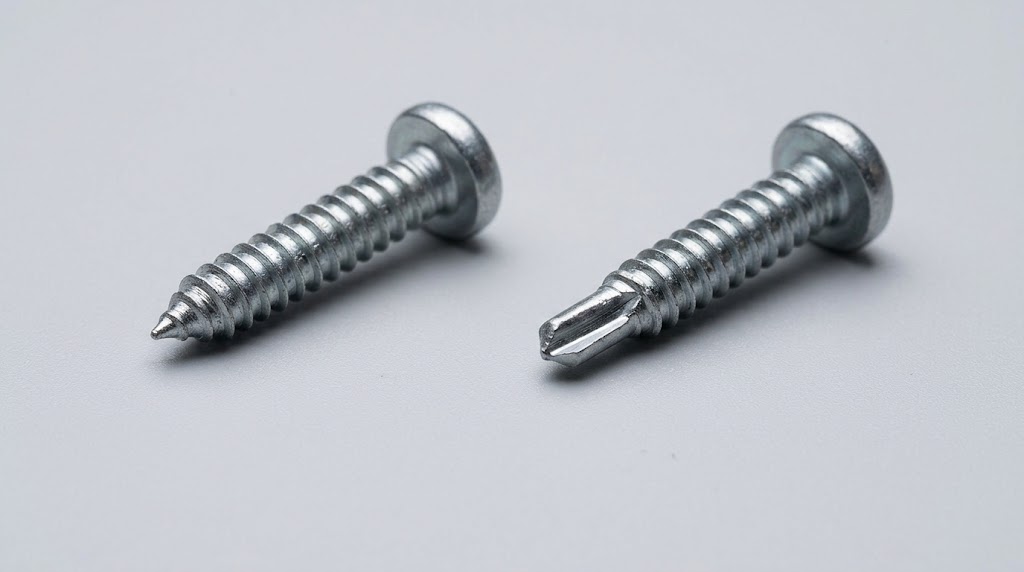
Self-Tapping vs Self-Drilling Screws: What Buyers Should Specify
Compare self-tapping and self-drilling screws, review DIN 7504 sizes and plan substrate, hole preparation and RFQ details before ordering.