304 vs 316 Stainless Steel Fasteners: Buyer's Guide

Daniel
With experience in fastener manufacturing and export sales, we specialize in bolts, nuts, screws, self-drilling screws, fully threaded rods, and customized fastening solutions for construction, machinery, automotive, and industrial applications.
The main difference between 304 and 316 stainless steel fasteners is their resistance to certain corrosive environments. Both are austenitic stainless steels, but 316 contains molybdenum, which increases resistance to pitting and crevice corrosion under chloride containing conditions. This does not make 316 immune to corrosion or automatically suitable for every coastal, chemical, or underwater application.
For procurement, start with usage conditions and assembly specifications. Then confirm the material name, mechanical requirements for finished fasteners, and evidence required for acceptance. Choosing a material does not equate to approving a complete bolt, screw, or threaded rod.
1. What Changes When You Choose 316 Instead of 304?
| Purchasing question | 304 stainless steel fasteners | 316 stainless steel fasteners |
|---|---|---|
| What is the main material distinction? | A chromium-nickel austenitic stainless steel | A molybdenum-bearing austenitic stainless steel |
| Where can the difference matter? | A candidate for less aggressive environments where the specified corrosion resistance is adequate | A candidate where greater resistance to chloride-related pitting and crevice corrosion is needed |
| Can the material name establish strength? | No; specify the finished-fastener mechanical requirements separately | No; selecting 316 does not establish a higher fastener property class |
| Is suitability guaranteed? | No; exposure, joint details, surface condition and maintenance still matter | No; severe exposure can require a material outside this comparison |
Neither a shared diameter nor a similar appearance makes the two materials interchangeable. If a drawing specifies 316, a lower-priced 304 offer is a proposed deviation, not an equivalent quotation. Obtain approval before accepting a material change.
Compare prices only after the product geometry, material specification, mechanical requirements, inspection scope and quantity are aligned. There is no fixed price premium that applies to every 316 fastener order.
2. Describe the environment before selecting materials
Dry, protected service with minimal exposure to chlorides
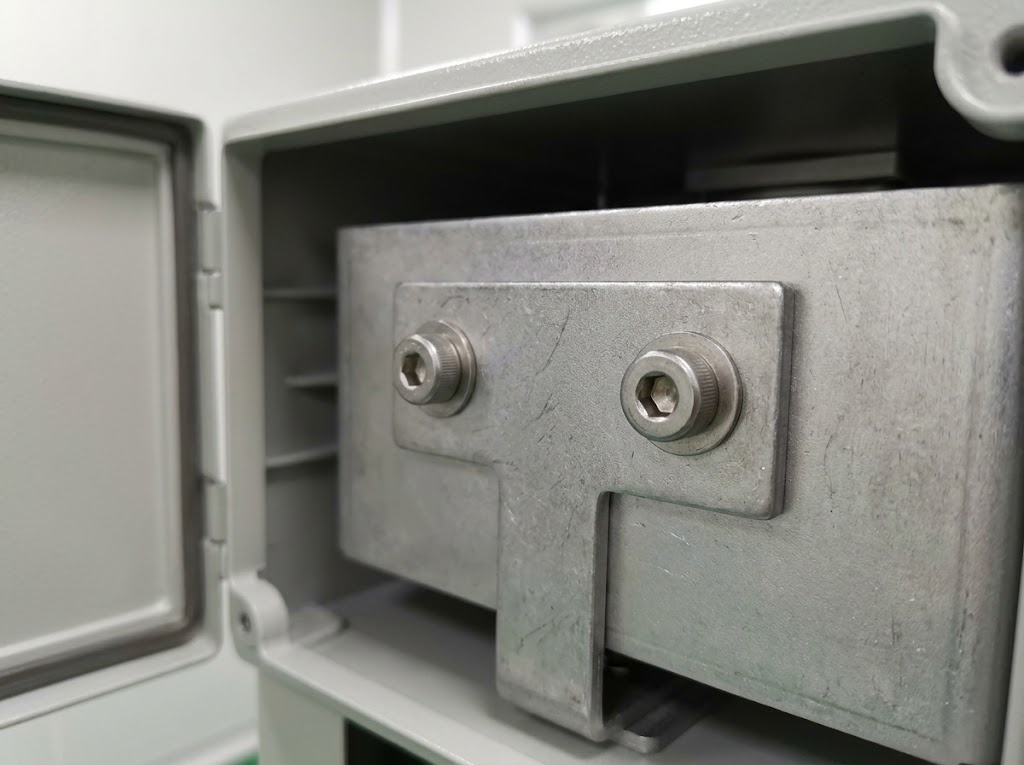
304 may be a candidate material with corrosion resistance that meets the project requirements. Check the actual situation instead of relying on the term 'indoor': condensation, cleaning chemicals, and stagnant water will alter the assessment.
For equipment screws inside protected enclosures, describe any flushing, condensation, or chemical exposure. Location alone is not a complete material specification.
Salt exposure, repeated wetting, and sheltered outdoor joints
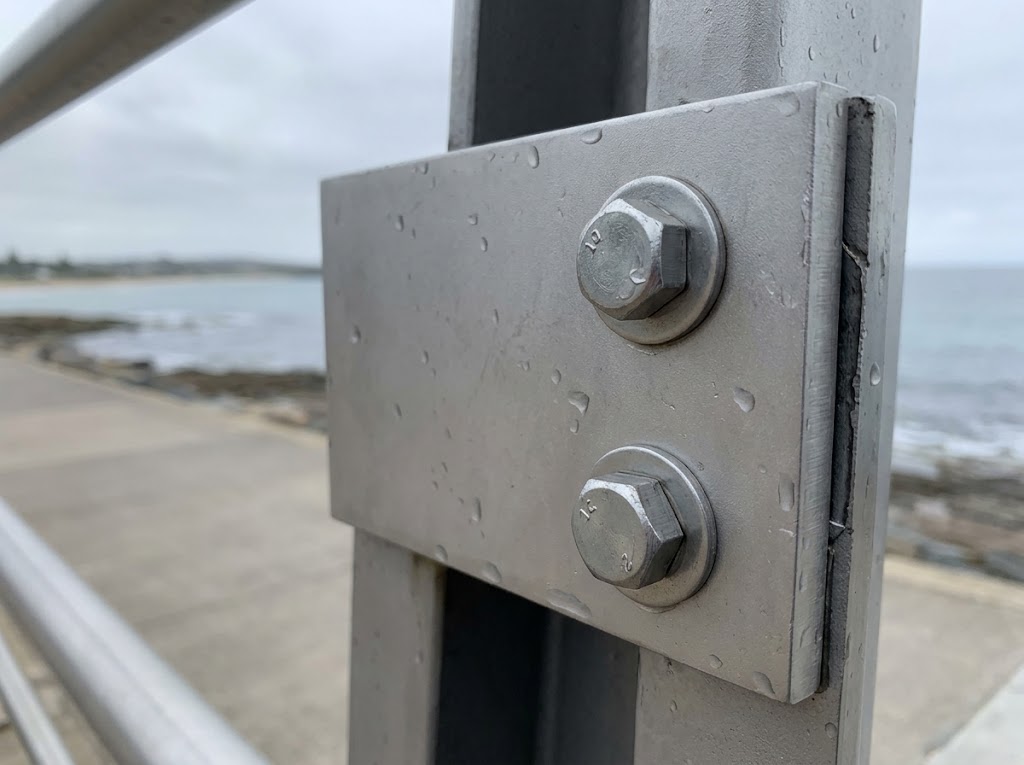
316 is more resistant to chloride-related localized corrosion than 304, but exposure still needs to be determined. Identify sea spray, de-icing salts, wetting frequency, drainage, and access for cleaning.
Do not choose stainless steel fasteners for coastal environments solely based on their distance from the sea. Shaded areas will accumulate salt because rainwater will not wash them clean. Attention should also be paid to joint details that retain moisture or create crevices.
Immersion, corrosive chemicals, or harsh temperature conditions
Do not assume that 'marine grade' 316 is approved for continuous seawater immersion. Similarly, 'chemical resistance' does not determine the compatible materials for a specific process fluid.
Provide the medium, concentration, temperature, exposure time, and relevant operating conditions for technical review. The appropriate material may be neither 304 nor 316. This guide does not set universal chloride limits, temperature limits, or service life guarantees.
3. Read A2/A4 and property class separately
In stainless steel fastener terminology, A2 is usually associated with 304-type material, while A4 is associated with 316-type material. These are useful associations, not complete contractual equivalents between each material name.
Names such as A2-70 or A4-80 combine stainless steel grade names with property class. Read these two parts. 'A4' alone cannot determine the mechanical requirements of the supplied fasteners, and the material name '316' cannot replace the complete fastener specifications.
ISO 3506-1 specifies the mechanical and physical properties of stainless steel bolts, screws, and studs with specified grades and performance levels. Use the applicable standards and versions of the actual product, and confirm the requirements for matching nuts separately.
For replacement orders, compare the original specifications with the supplied materials and performance levels before approving the replacement. Require suppliers to clearly indicate any differences, rather than considering "A2 equals 304" or "A4 equals 316" as sufficient evidence of acceptance.
4. Apply material selection to actual products
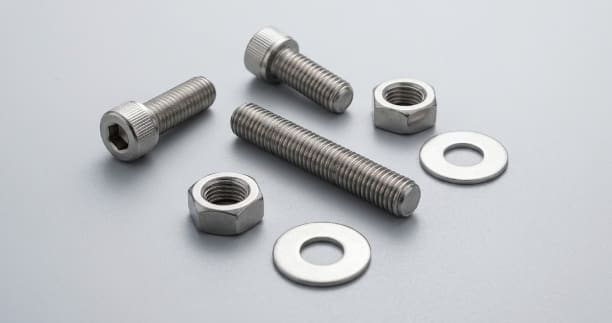
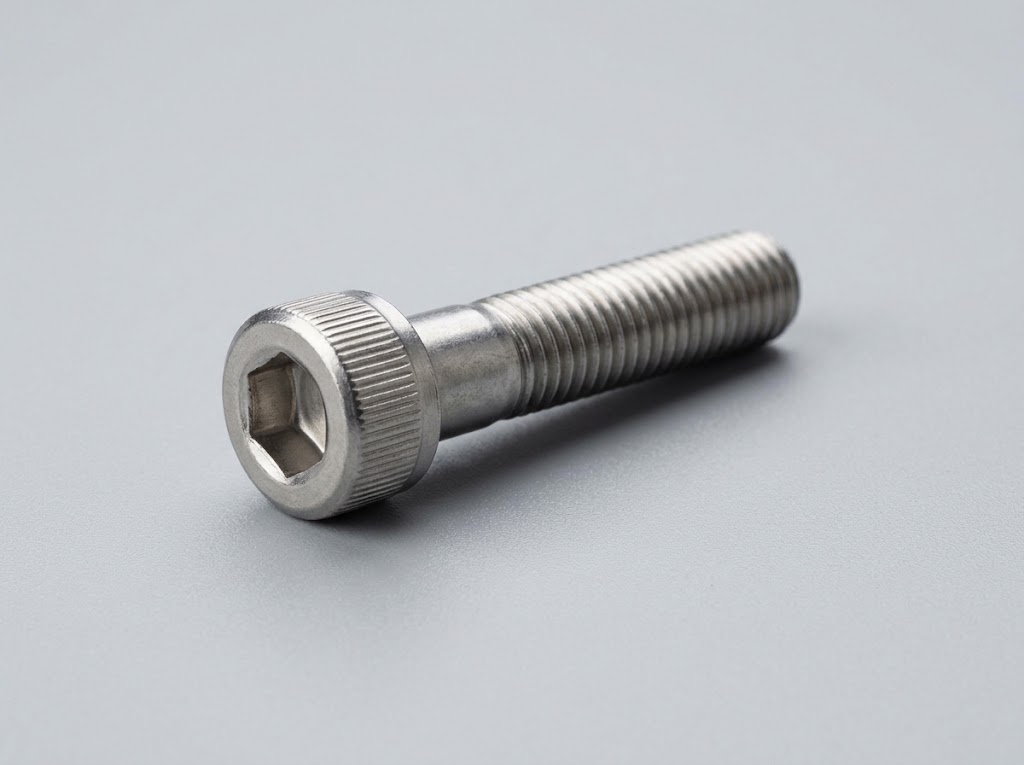
JJ Fastener's product information lists the 304/316 material options forDIN 912 hex socket head cap screwsandDIN 975 threaded rods. These references identify the product series; each inquiry requires confirmation of the exact materials, dimensions, mechanical requirements, and available supply combinations.
For DIN 912 stainless steel hex socket head cap screws, define the requirements for diameter, pitch, length, screw head and hex socket, as well as the material and property class. Choosing 316 does not solve dimensional fit or establish the required strength.
For stainless steel threaded rods, define the governing dimensional specification, thread, length, material, mechanical requirements and mating components. Do not rely solely on catalogue references such as DIN 975 to convey the complete order requirements.
If nuts and washers form part of the assembly, list their specifications too. Do not infer their exact stainless steel material or suitability solely from the name of the rod or screw.
5. Check material evidence, finished product performance, and surface condition
Request evidence for the requirements you have actually specified:
Materials: Required names and specifications, as well as agreed upon material records and their connection to the supply batch.
Performance of finished fasteners: required property class or mechanical acceptance standards, as well as corresponding inspection or testing records.
Delivery conditions: Any specified cleaning, surface treatment, appearance, and handling requirements, as well as agreed upon acceptance methods.
These are different checks. Merely relying on material records cannot determine all mechanical or dimensional characteristics of finished fasteners. General statements such as "certificates included" cannot determine the documents, scope of coverage or lot references you will receive.
Resolve document gaps before placing an order. If surface treatment or inspection is required, please request confirmation of a specific product rather than assuming it is included in each stainless steel order.
6. Turn the Selection into a Clear Purchase Requirement
If the material is already specified, send the supplier that requirement and ask for deviations to be listed separately. If it is undecided, provide the exposure conditions and request a clearly identified proposal for technical review, not an unapproved substitution.
For an inquiry to JJ Fastener Factory, include:
The product type or drawing, thread and dimensions.
The specified material and fastener property class, or the points still awaiting selection.
The operating environment, mating components and relevant surface-condition requirements.
The required inspection documents, quantity per item and delivery destination.
For drawing-based parts, use ourCustom Stainless Steel Fasteners: Drawing and RFQ Checklistto prepare the remaining quotation details.
Contact JJ Fastener Factorywith your requirements. Request order-specific confirmation of material availability, manufacturing feasibility, inspection scope and delivery conditions. Approve the final material and assembly specification before releasing the production order.