Self-Tapping vs Self-Drilling Screws: What Buyers Should Specify

Daniel
With experience in fastener manufacturing and export sales, we specialize in bolts, nuts, screws, self-drilling screws, fully threaded rods, and customized fastening solutions for construction, machinery, automotive, and industrial applications.
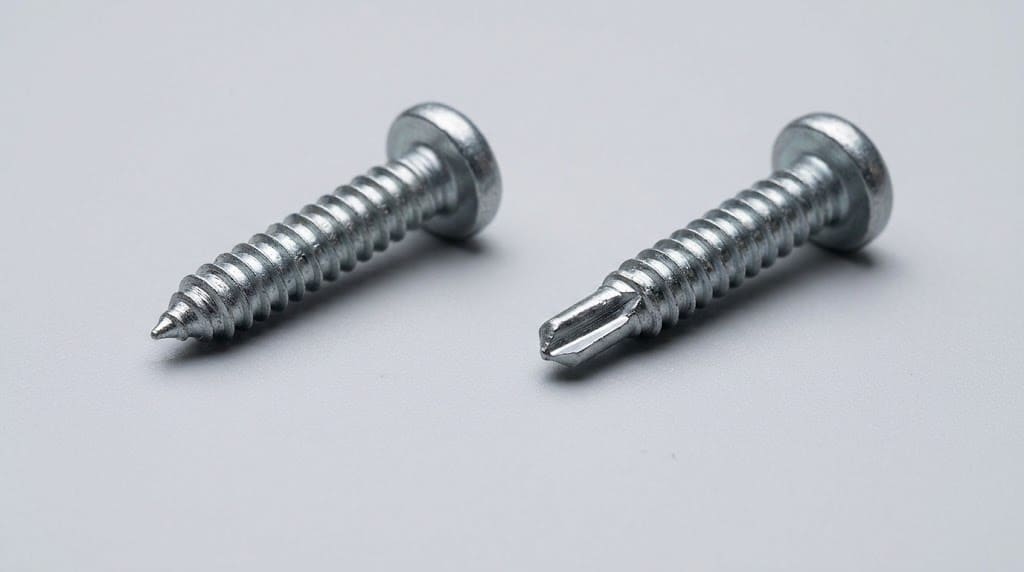
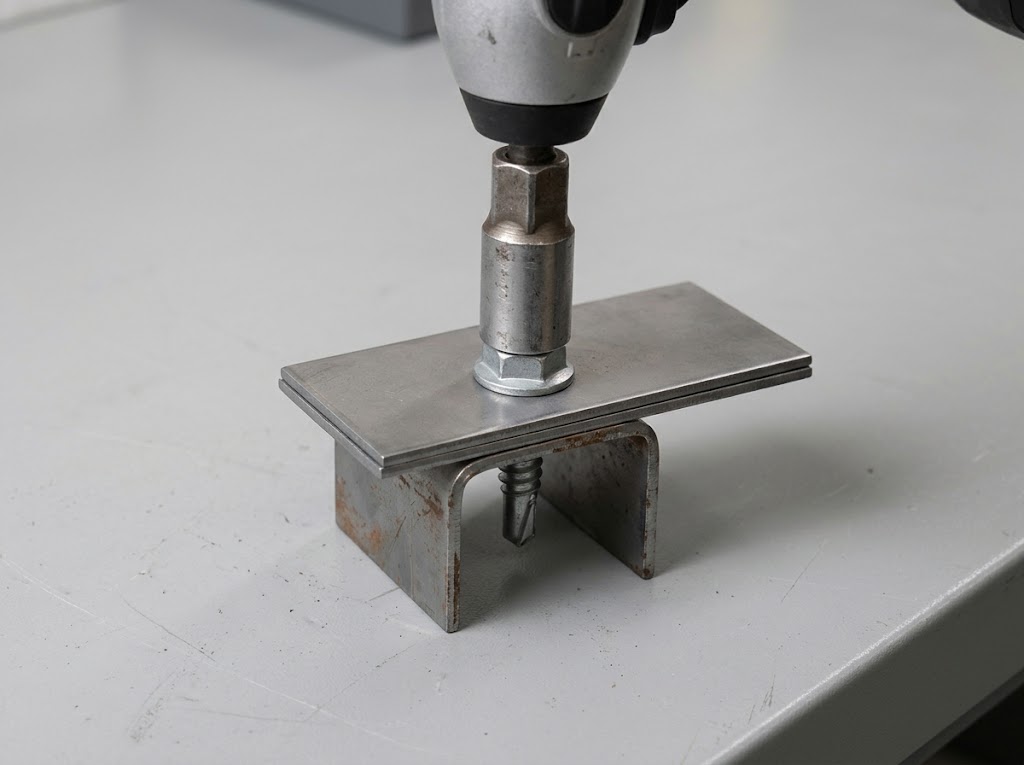
Self-tapping screws will produce mating threads during installation. The self-drilling screw adds a drill-shaped tip to drill a hole before the thread is engaged. Therefore, the difference in procurement lies in the preparation of holes, not just two different screw shapes.
For sheet metal and equipment assembly orders, please select according to the joint specifications: substrate, thickness, hole preparation, head style, and installation requirements. Matching only the diameter and length does not guarantee that two screws are interchangeable.
What is the difference between self-tapping and self-drilling screws?
Self-drilling screws also perform a self-tapping function. However, catalogs typically use the term 'self-tapping' to describe screws without drill tips. In the following comparison, non-drilled self-tapping screws refer to catalog categories.
Self-tapping screws can be threaded by displacing the material or by cutting the thread by removing the material, depending on their design. Product specifications, not generic names, determine which design is needed.
| What to compare | Non-drilling self-tapping screw | Self-drilling screw |
|---|---|---|
| Hole preparation | Follow the specified hole preparation; a pre-drilled or punched hole is commonly used in metal | A separate drilling step can be omitted when the exact screw is suitable for the specified material and thickness |
| Point and thread | Check the point, thread design and required hole dimensions | Check the drill-point design, drilling capability and thread requirements |
| Selection basis | Screw specification, substrate, prepared hole and joint requirements | Screw specification, substrate, drilling capability and joint requirements |
Neither of these categories is generally better. Choose the products and installation methods required for the components, rather than assuming that the drill tip makes the screw a suitable upgrade.
Check the joint before selecting the screw
Identify each material and layer
Explain what the screw passes through and which component receives the thread. Include the material name and thickness of each sheet or supporting part. Show any gaps, insulation layers, or other intermediate layers in the sketch.
Do not use the total assembly thickness as the sole selection value. Suppliers need to distinguish the connected panels from the supporting materials and understand which layers must be drilled or joined with screws.
Establish drilling preparation or drilling capability
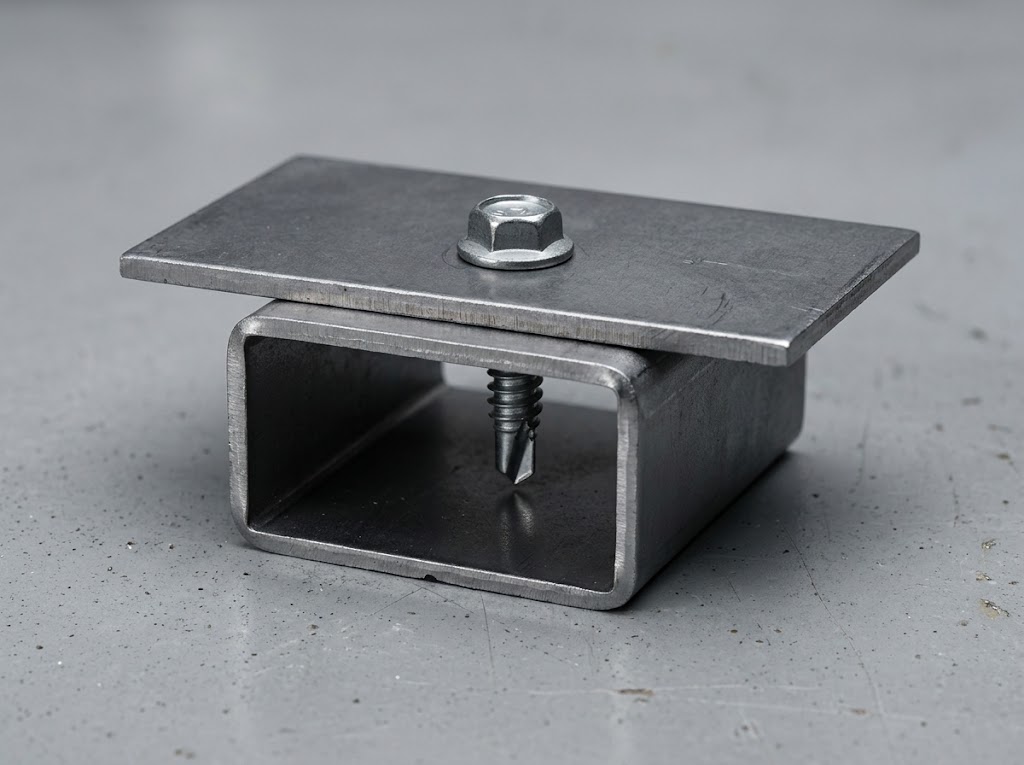
For non-drilling self-tapping screws, determine whether the hole already exists or will be drilled or punched. Request appropriate hole sizes and tolerances for the proposed screws and substrates. Not all self-tapping screws share a universal pilot hole diameter.
For self-drilling screws, please request the exact application data of the provided product in the expected material. The length of the screw is not the level of drilling ability: a longer screw itself does not prove that it can drill thicker steel.
Check the available thread length and the allowable protrusion of points on the component. The hole-making ability and finished product connection must meet the specified requirements. Existing holes or different substrates need to be reviewed rather than automatically replaced.
Determine the required connectivity performance
Provide applicable drawings and acceptance requirements. If the project specifies mechanical, sealing, or corrosion performance, evidence related to the screw and its application is required. Successful drilling alone does not prove that the completed connection meets these requirements.
Specify the head, gasket, material, and surface treatment
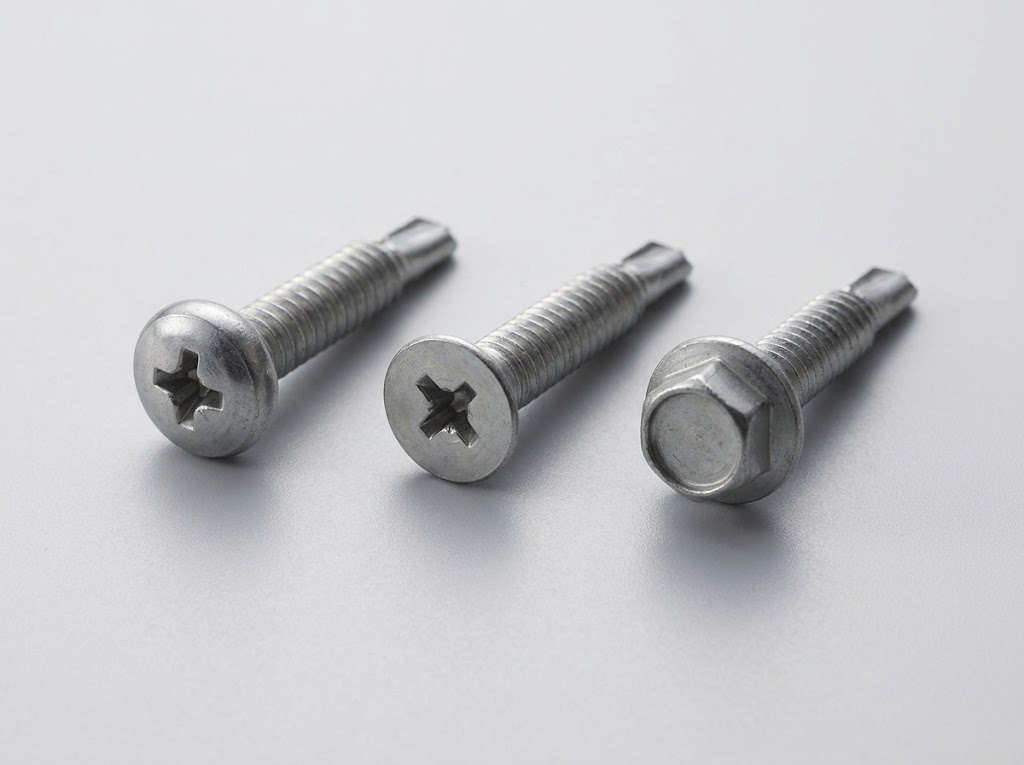
Select the head and driver that match the drawing, seat, channel, and tool. A pan head, countersunk head, and hexagonal washer head cannot be simply interchanged because the diameter of the screw is the same.
If sealing is required, please specify a separate gasket or sealing device. The integral hex washer head is not a bonded sealing gasket. Similarly, based solely on this description, the product described as a roof screw does not prove that it has waterproof components.
Explain the materials, surface treatment, and usage environment separately. Stainless steel cannot determine the completematerial specificationsor drilling capacity. Request the supplier to confirm the materials provided, relevant drill bit structures, and supporting application data. Do not assume that different material versions with similar dimensions have the same performance.
JJ Fastener Factory'sself-tapping screw rangeandself-drilling screw rangeprovide starting points for product identification. Confirm the exact specification and available supply combination in the quotation.
DIN 7504 Self-drilling Screw Supply Scope
The current supply reference for DIN 7504 self-drilling series includes C1022 carbon steel as the main material option. The listed self-drilling sizes are ST4.2, ST4.8, ST5.5, and ST6.3.
For pan-head self-drilling screws, the listed range is M3.5 to M6.3, with a length of 10 millimeters to 50 millimeters. Customizable size. The listed application areas includecolor steel roofs, wall panels, photovoltaic installation structures, and steel structures.
| Product | Listed size | Listed length | Customization |
|---|---|---|---|
| DIN 7504 self-drilling screw | ST4.2, ST4.8, ST5.5, ST6.3 | Confirm by selected product | Confirm for the inquiry |
| Pan-head self-drilling screw | M3.5 to M6.3 | 10 mm to 50 mm | Custom sizes available |
These entries describe the supply reference, rather than claiming that every combination of head, point, material, and size is interchangeable. Confirm the exact combination, technical requirements, and commercial conditions of the order.
Agree to install and accept
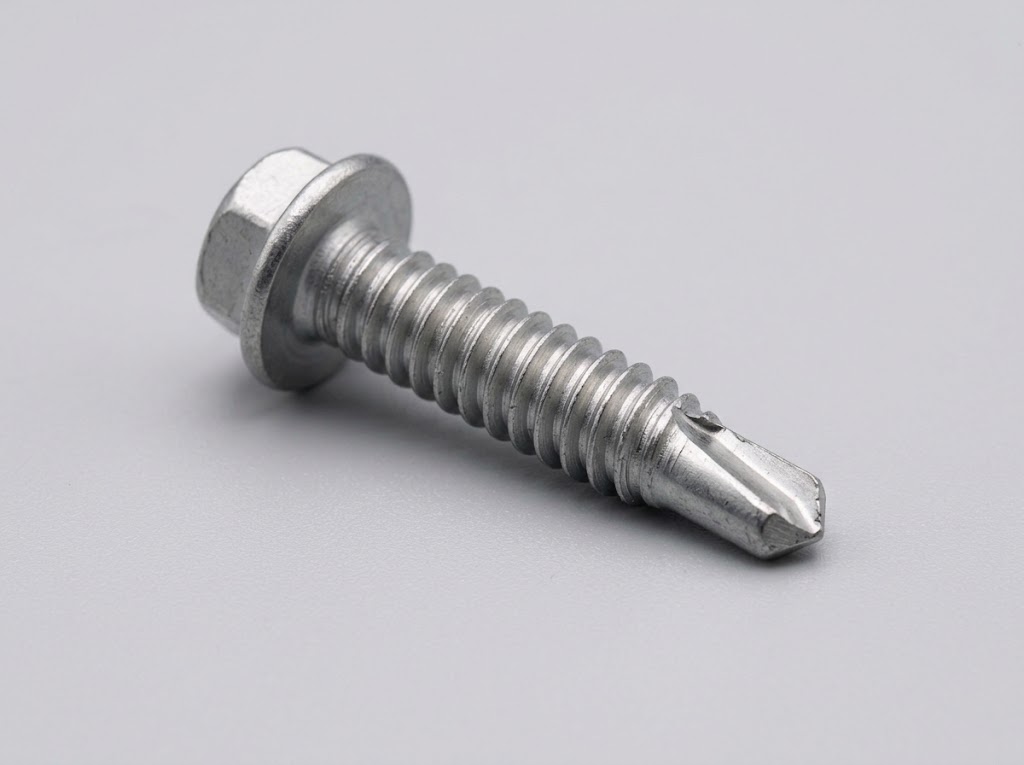
Request product specific guidance on hole preparation, compatible tools, operating speed, and seating control. Avoid using universal speed or torque settings for each screw in the order.
For new components or proposed alternatives, agree on the required inspections using representative materials and expected installation equipment. Before approving the experiment, record the content to be evaluated and the acceptance criteria.
Clearly define the scope of approval. Installation tests cannot determine corrosion resistance or any untested mechanical requirements. The structure and other safety critical connections must follow the approved design, project specifications, and approval process of the responsible engineer.
What should be included in the bulk screw inquiry form
Use one line for each different specification. Assembly sketches are useful when the product name cannot explain the connection.
| RFQ field | Information to provide |
|---|---|
| Product reference | Screw type, part number, required standard and edition, or drawing revision |
| Screw geometry | Diameter, thread designation, length and measurement convention, point design |
| Head and drive | Head form, relevant dimensions, drive type and size |
| Joint details | Materials and thicknesses by layer, supporting substrate, gaps and existing holes |
| Material and finish | Required material specification, coating and service environment |
| Washers or seals | Type, material and dimensions where required |
| Installation and acceptance | Intended tooling, applicable installation requirements, agreed tests and records |
| Quantity and delivery | Quantity per item, packing, destination and requested delivery date |
Mark unresolved requirements as issues. Require suppliers to identify assumptions, exclusions, and proposed deviations, rather than silently filling in gaps with different specifications.
Compare the provided specifications with the unit price. Check if it includes washer, samples, andrequired inspection records. Put the agreed requirements and approved changes into the order document.
---
Prepare a list of screws, substrate details, assembly sketches, and quantities for each item.If the screw type has not been selected yet, please describe the connection and identify any pending issues, rather than just selecting from photos.
Contact JJ Fastener Factory about your screw inquiry. Before ordering, agree on the offered specification, application limits, inspection scope, price and delivery terms. Confirm the selected size and length from the supplied range, along with availability and any sample arrangements, for the actual order.