Fastener Procurement and Acceptance Guide: From Specification Selection to Incoming Inspection

Daniel
With experience in fastener manufacturing and export sales, we specialize in bolts, nuts, screws, self-drilling screws, fully threaded rods, and customized fastening solutions for construction, machinery, automotive, and industrial applications.
Before ordering fasteners, determine the parts, inspection requirements, and necessary documents for acceptance. When receiving the goods, check whether the material report, inspection records, and packaging labels cover the delivered goods.
This checklist helps procurement, warehouse, and quality teams review the traceability of fastener batches. Use it in conjunction with the purchase order, applicable specifications, and your approved acceptance procedures. It will not replace product specific inspections or authorized release decisions.
1. Define parts and acceptance requirements
Prepare separate specifications for each order line:
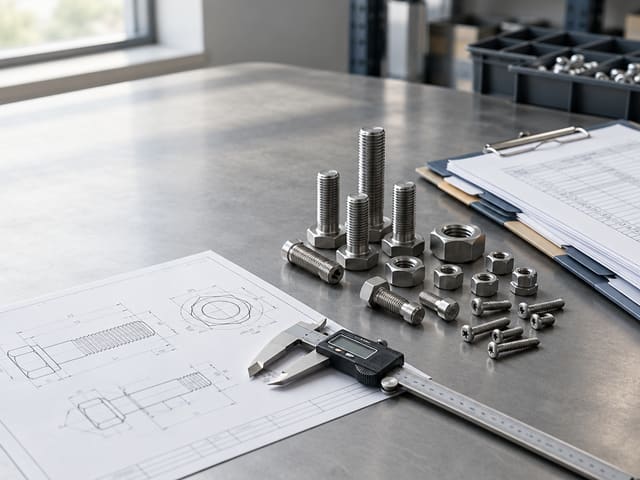
Product and dimensions:fastener type, part number, applicable standards or drawings, diameter, thread specifications, length, and related tolerances.
Material and Performance:Required material name and mechanical requirements or performance level (if applicable).
Surface treatment and application:Surface treatment, mating components, operating environment, and any requirements determined by the engineering department.
Order control:Drawing revision, quantity, packaging, labeling, inspection, and document requirements.
Resolve conflicting specifications before comparing quotes. If necessary, the material name, performance grade, and thread specification should be separately specified; One cannot replace the other.
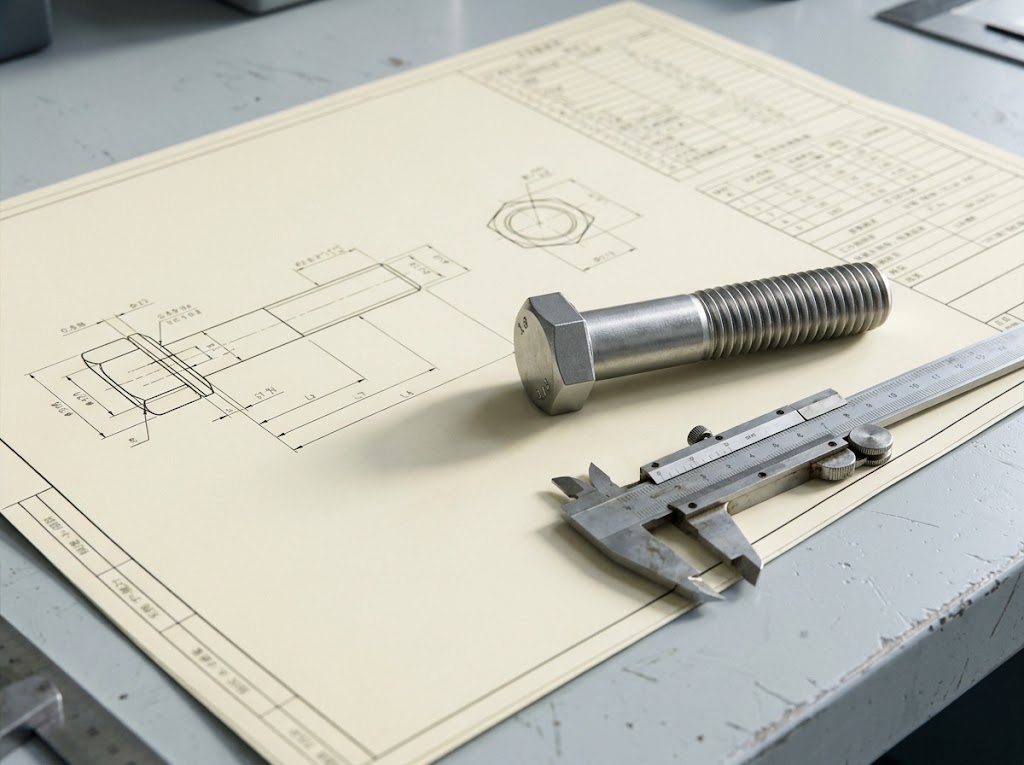
For parts based on drawings,customized stainless steel fastener inquiry listProvide query format.
2. What documents are required for agreement
Select document packages based on order and project requirements. For repeat purchases, confirm whether the approval requirements have changed. For new parts, suppliers, or processes, inquire with the engineering and quality departments whether sample approval or additional validation is required.
| Record | What needs to be confirmed before ordering |
|---|---|
| Material report or material testing report | Material identification, characteristics of the report, and references linking it to the supplied parts |
| Finished fastener inspection or testing report | covering products and batches, required characteristics, methods, results, and acceptance criteria |
| Process specific testing records (if required) | Agreed processes or characteristics, testing requirements, and batch coverage |
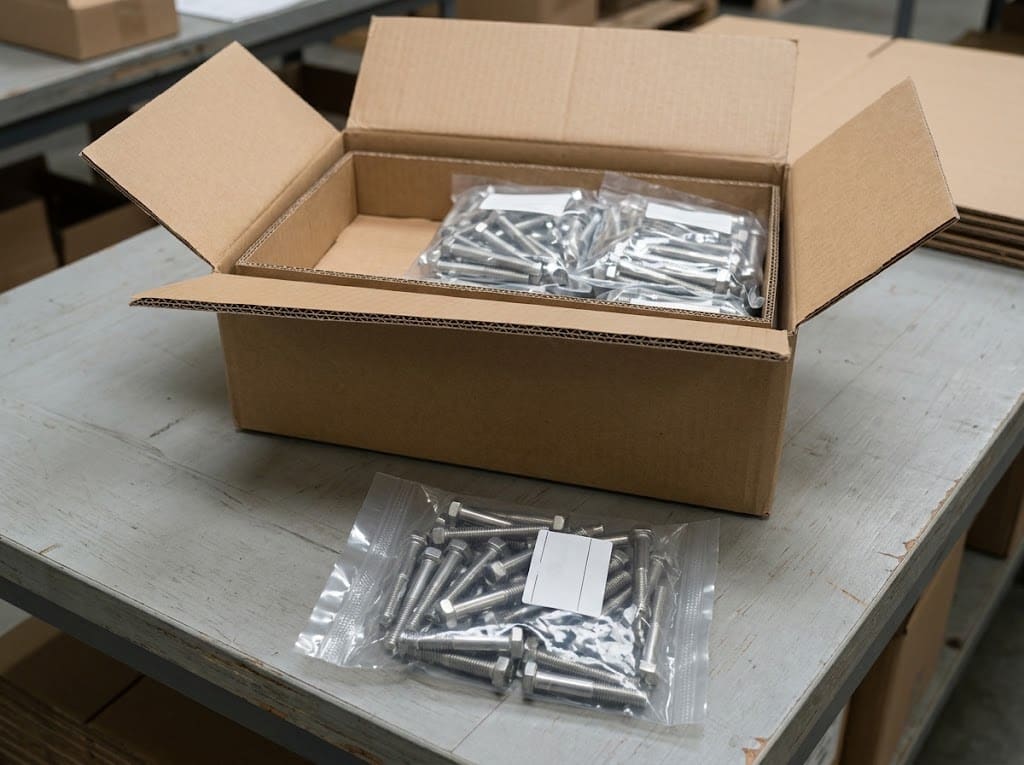
| Packing list and packaging labels | Part identification, quantity, packaging reference, and agreed batch information |
Confirm the file type, issuing party, scope, time, and any fees. If the order specifies document standards, please have the responsible quality team confirm their version and requirements.
The quality management system certificate does not provide inspection results for delivery batches. Review supplier qualifications separately from the product records required by the order.
3. Match the delivered batches with their records
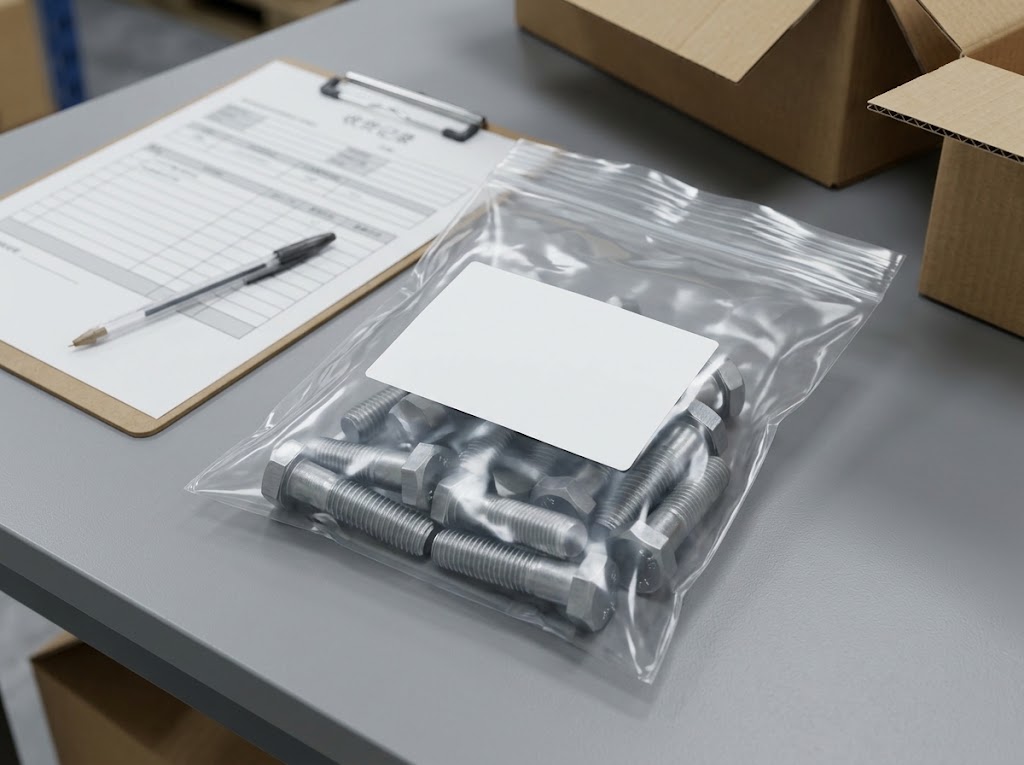
Starting from the order line and packaging label, then refer to the relevant materials and inspection records. Require suppliers to explain any different identifiers, such as material furnace number, production batch number, or shipping batch number.
The purpose is to establish a documented relationship. Don't think that different references are irrelevant, and don't assume that only matching numbers can prove that the goods meet the specifications.
Use a receiving record for each identified batch and adjust the following fields based on the order:
| Check | Compare and Record |
|---|---|
| Order lines and parts | Purchase orders, delivery notes, packing lists, and labels: Part numbers, quantities, and drawing revisions |
| Product requirements | Order specifications based on the identification and requirements provided in the records |
| Delivery Batch | What packages and quantities are covered by each batch reference |
| Material connection | Material report reference and explanation of its connection records with delivered fasteners |
| Scope of Inspection | What products, batches, and features are covered in the inspection report |
| Result | Report values and units based on agreed upon acceptance criteria; Missing or unclear results |
| Document identification | Report number, issuer, issuing information, and related revisions |
| Receiving Decision | Label or Quantity Differences, Pending Issues, Supporting Evidence, and Authorization Disposition |
For multiple or partial shipments, please confirm the quantity and packaging covered by each document. If the goods are repackaged, please retain their labeling according to the agreed upon procedure.
For a broader supplier review, please use theFactory Audit Checklist.
4. Review the results and inspect the goods
Read the results, not just the report title. The report may record the results of failures. Check the actual features it covers and compare the reported results with the requirements specified in the order.
Do not consider material reports as evidence of each finished product characteristic. Request additional checks or process records specified in the order, and ask the issuing institution to clarify unclear coverage, missing units, or unexplained revisions.
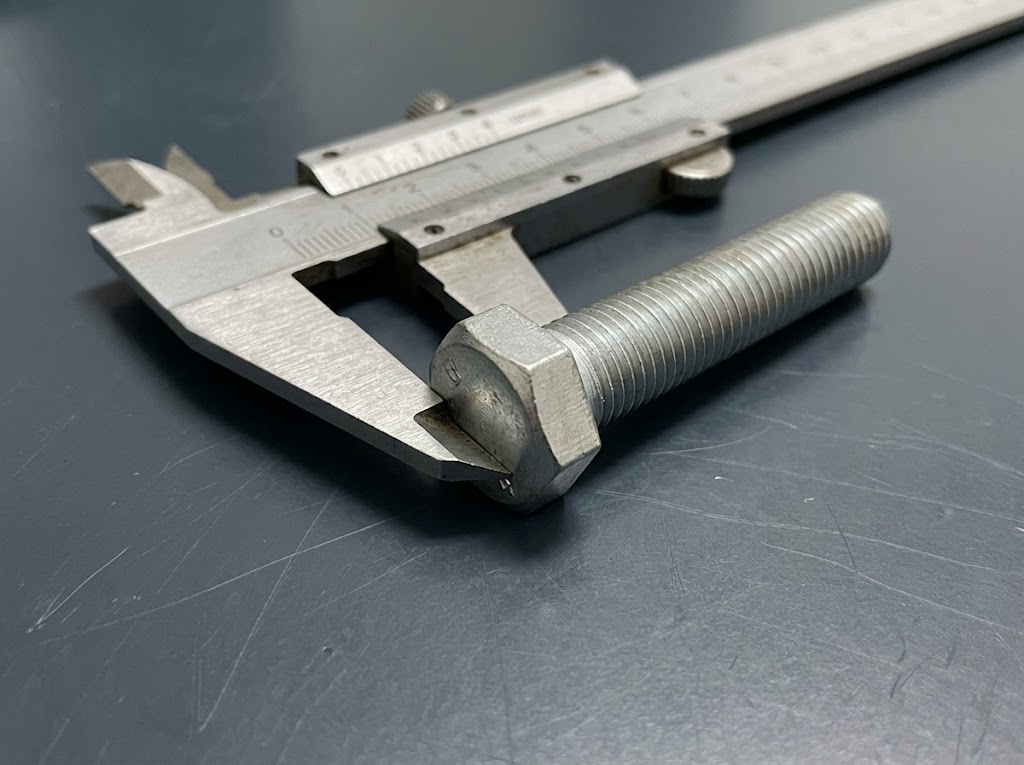
Complete the physical inspection required by the acceptance plan. These may include appearance, dimensions, threads, labeling and packaging conditions, as well as any agreed upon testing. The responsible engineering or quality team should determine the methods, limitations, sampling, and release permissions for the product and application.
The supporting documents are a one-time acceptance; It itself does not authorize release.
5. Record and resolve differences
If the required documents are missing, the batch coverage is unclear, or the labels conflict with the provided records:
1.Identify the affected goods.
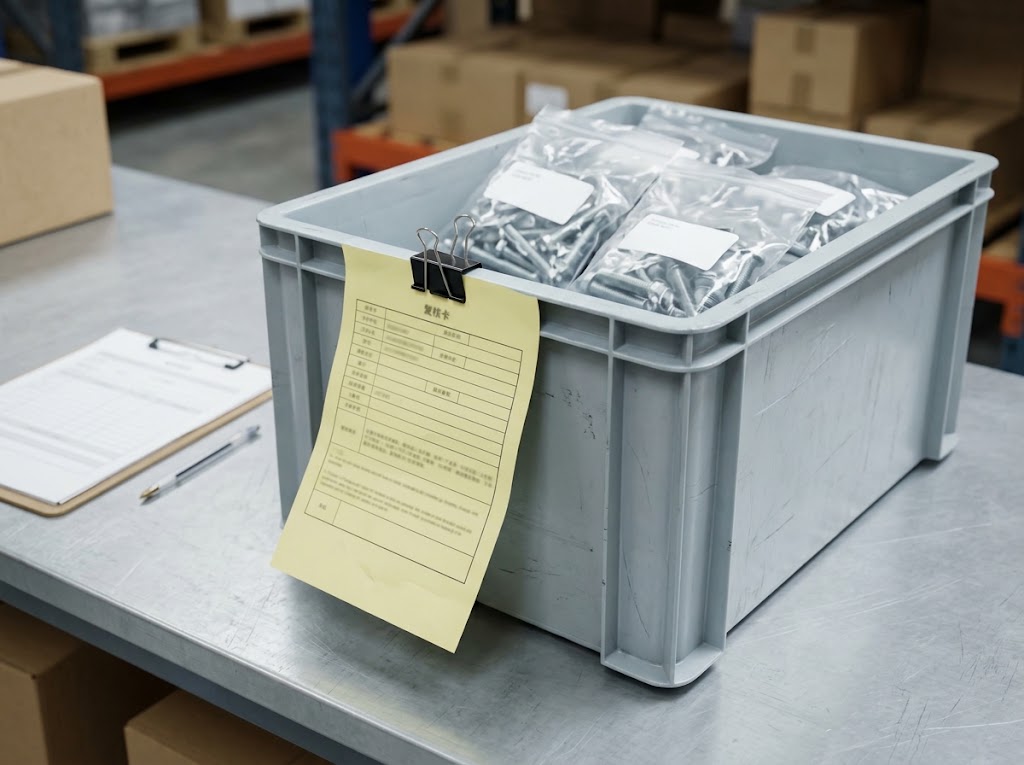
Maintain identifiable packaging and follow the procedures for goods awaiting quality review.
2.Record differences.
Pay attention to order lines, packaging and batch references, quantities, document numbers, and specific issues. Add tag photos in useful places.
3.Request clarification.
Request missing evidence, related explanations, or supported corrections from suppliers or document issuers through the authorization process.
4.Obtain a decision.
Have the responsible quality team review the evidence and determine the next steps based on the agreed upon procedures.
Save support records and final decisions together with batch records. Do not change labels or reports just to make two references consistent.
6. Request confirmation before shipment
Use the following points in your purchase order or pre shipment document request:
-Confirm the specifications, drawing revisions, material and performance requirements for each order line.
-List the required inspection documents, issuing party, insurance coverage, and any excluded liabilities.
-Explain how batch references on goods, labels, and reports will be associated.
-Determine individual batches, packaging quantities, and partial shipments.
-Confirm when the documents will be provided and whether any inspection or document fees will be charged.
-Determine proposed deviations before order confirmation and follow the agreed upon change approval process.
---
If you need to inquire with JJ fastener factory, pleasesend your specifications, quantity, and required document list. Before placing an order, it is required to conduct order specific confirmation on product requirements, inspectionscope, document availability, costs, and delivery arrangements.