ASTM A193 B7 Stud Bolts & A194 2H Nuts: Flange RFQ Checklist

Daniel
With experience in fastener manufacturing and export sales, we specialize in bolts, nuts, screws, self-drilling screws, fully threaded rods, and customized fastening solutions for construction, machinery, automotive, and industrial applications.
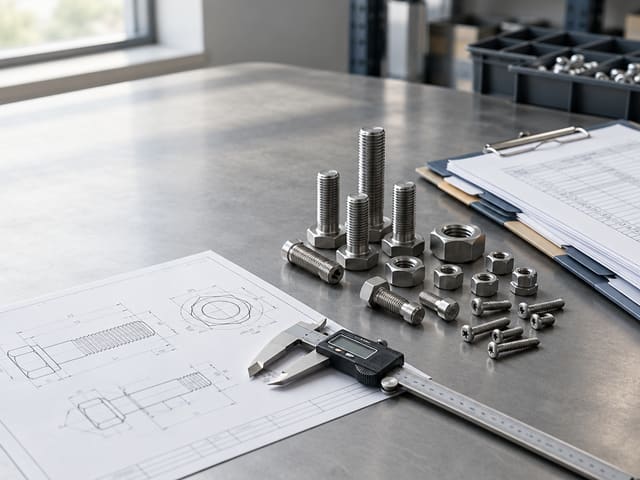
“B7 studs with 2H nuts” identifies a commonly specified bolting combination, but it does not define a complete order. For a comparable quotation, buyers also need to state the stud form, diameter, thread, length and measurement basis, nut pattern, quantities, finish, and required documents.
For pipeline, valve, and equipment-flange purchases, start with the approved drawing or bolting schedule. Use the checklist below to turn that specification into an RFQ that a supplier can review line by line.
1. Separate the Stud Form from the Material Grade
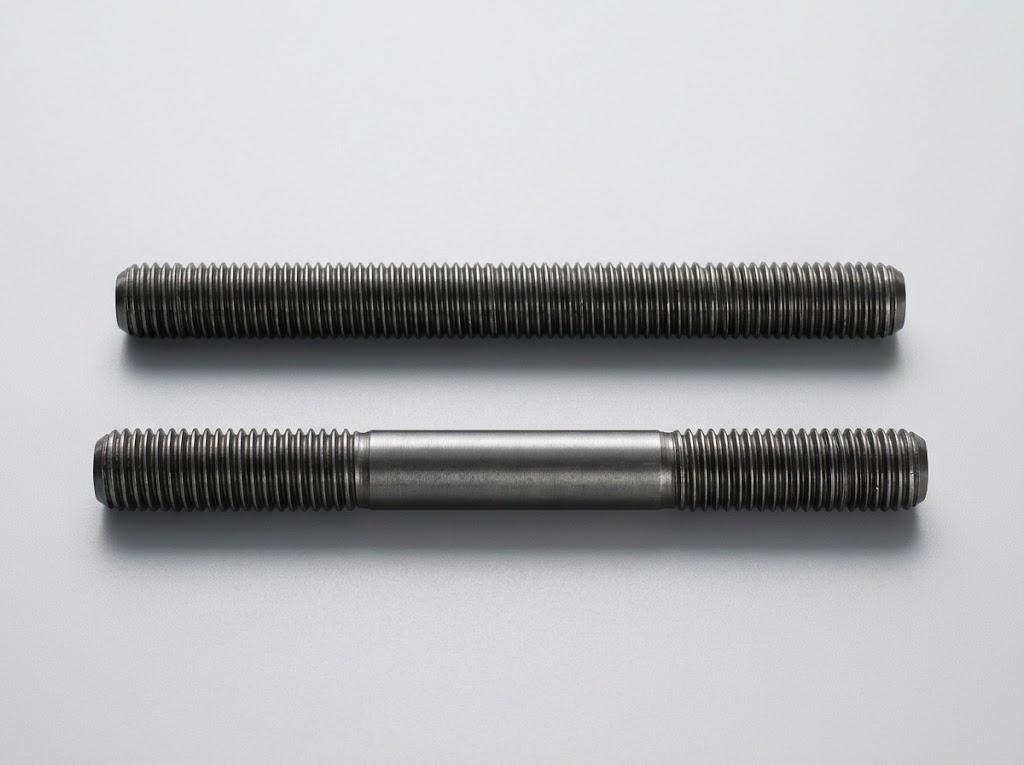
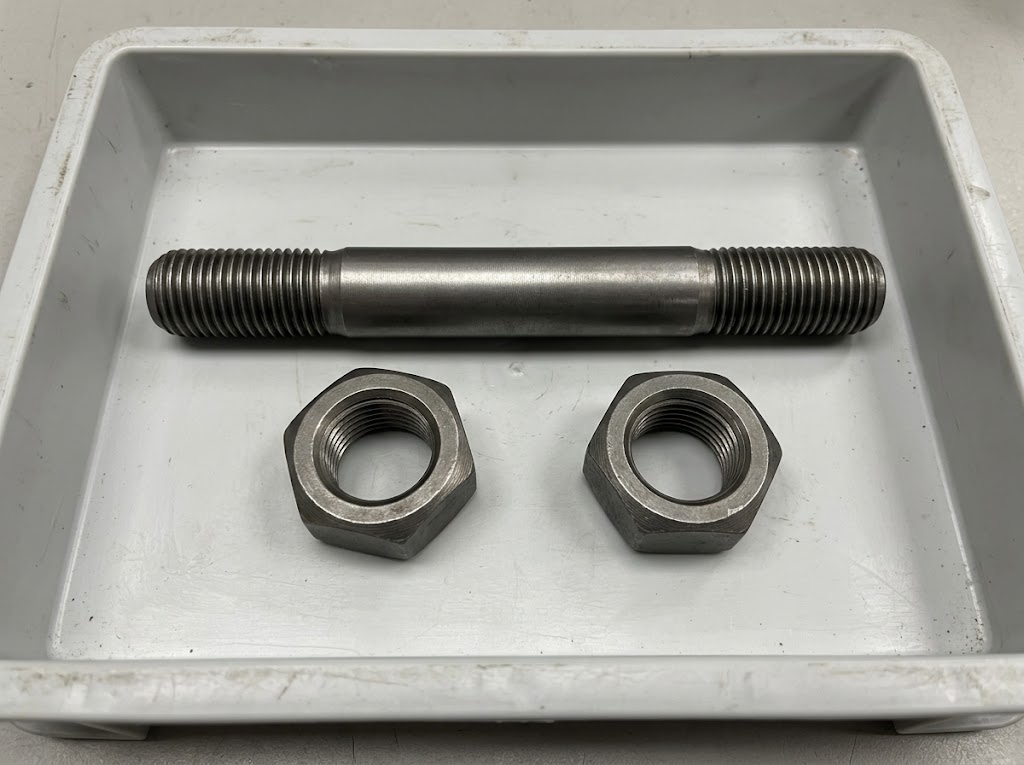
ASTM A193 Grade B7 identifies a bolting material grade. It does not, by itself, specify a fully threaded stud, a double-end stud with an unthreaded section, or a particular finished length.
The ASTM A193/A193M scope covers alloy-steel and stainless-steel bolting for high-temperature or high-pressure service and other special-purpose applications. That scope does not make every B7 component suitable for every flange joint. Material selection still depends on the design and service conditions.
Determine the required product form and refer to the control drawings, dimensional standards, and revisions. For double-end studs, specify the thread length at each end and the length of any unthreaded section between them. For fully threaded studs, define the required end details and length conventions. In cases where low temperatures, corrosive media, or other special conditions are applicable, material specifications from the responsible engineer should be obtained before approving procurement. Consider the proposed grade substitution as a technical change that requires approval.
2. Match the Complete Thread Designation
Studs and nuts must have compatible threads. Matching only the nominal diameter is not enough: the thread system, series, pitch or threads per inch, fit requirements, and direction are also important. For imperial thread orders, please copy the complete designation from the approved specification. UNC, UNF, and 8UN are different names, and suppliers should not choose interchangeably. If 8UN is specified, do not shorten the requirement to "standard thread"
For metric orders, state the diameter, pitch, and applicable tolerance classes. Keep inch and metric descriptions separate; a similar measured diameter does not authorize substitution. Themetric and UNC/UNF specification checklistexplains the information to include when identifying a thread.
Ask the supplier to confirm both the external stud thread and internal nut thread, including any finish-related allowance. If the drawing and purchase description conflict, resolve the discrepancy before production.
3. Define Stud Length and How It Is Measured
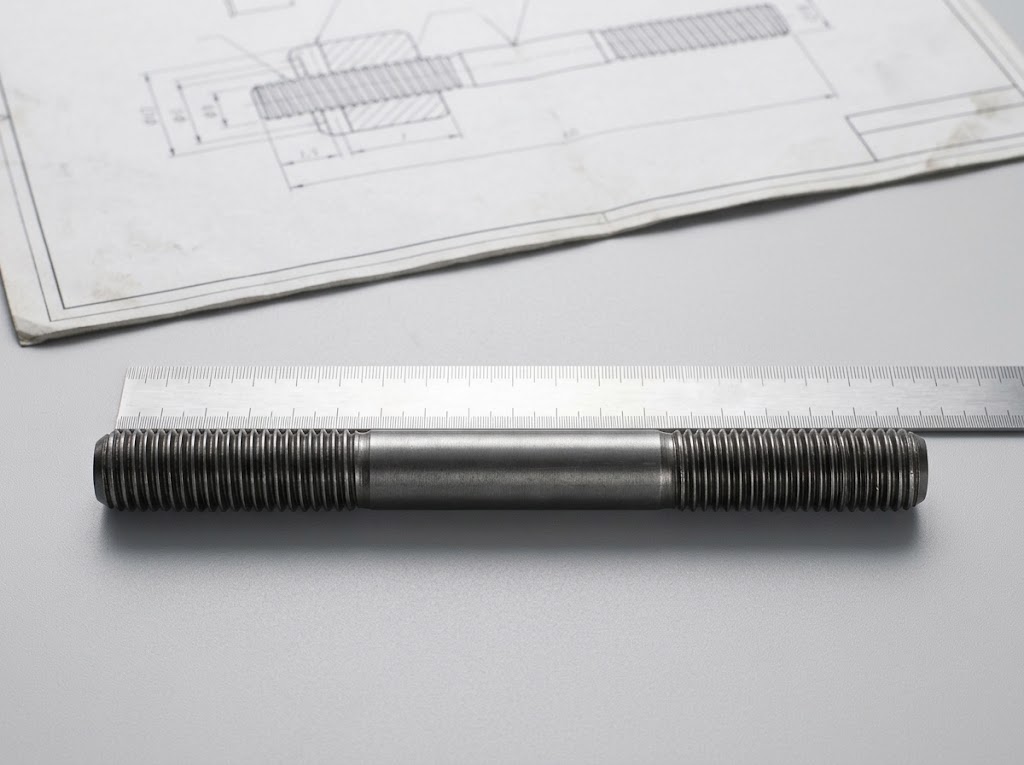
The size of the pipeline itself cannot determine stud length. The selected flange layout, joint stacking, nut size, and required thread protrusion will affect the finished product requirements. Provide approved bolt length and its measurement basis. Explain whether the dimensions include endpoints or chamfers, or follow another convention defined by specified standards or drawings. Do not assume that two suppliers have the same explanation for unmarked 'length'. If the length has not been disclosed, please send the flange or assembly drawing and applicable bolting schedule for review. Clearly identify the missing dimensions. The length suggested by the supplier should remain as suggested until approved by the responsible project authority.
4. Specify the Nuts and the Meaning of "One Set"
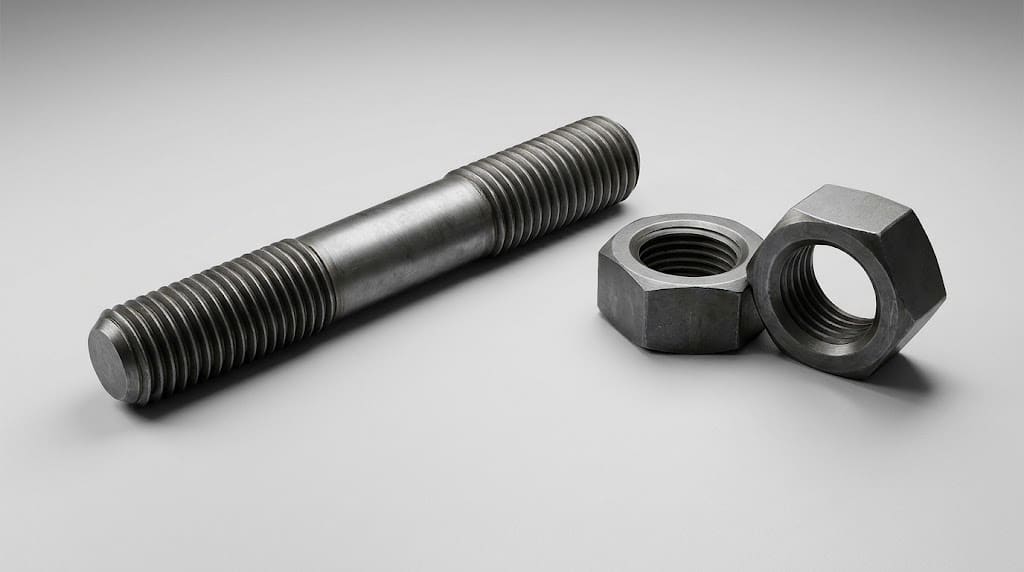
A194 Grade 2H heavy hex nuts are commonly paired with B7 bolting. However, the grade, heavy hex dimensions, thread, and finish are separate purchasing requirements. A commercial hex nut is not an acceptable replacement merely because it screws onto the stud.
The ASTM A194/A194M scope addresses nuts for high-pressure or high-temperature service, or both, and states that grade substitutions require the purchaser's permission.
Define the assembly quantity explicitly. A through-bolted flange arrangement commonly uses a nut at each end, but the quotation must state what is included. Write the number of studs and nuts separately, and identify spare nuts as a separate quantity. This prevents "sets" from concealing different supply scopes.
JJ Fastener Factory listsB7 double-end studsandA194 Grade 2H heavy hex nuts. Use these product pages as inquiry starting points; request confirmation of the exact stud-and-nut combination rather than assuming every listed size is available as a matched assembly.
5. Agree on Finish, Inspection, and Identification
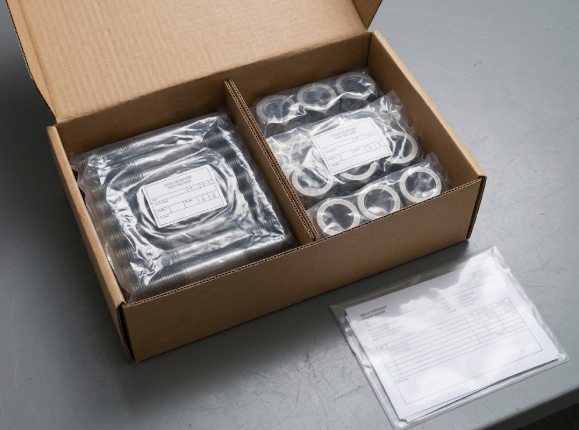
Specify the required delivery conditions for these two components. The 'anti-corrosion' request does not define coating systems, acceptance requirements, or finished thread fit. If coating or other treatment is required, please include its specifications and inspection requirements for the project. Request the supplier to identify any proposed deviations and explain how to check the fit of the bolts and nuts after treatment. Don't approve different finishes just because they look similar. List the required files by type and scope. Depending on the order, these may include material test reports, specified inspection results, and identification linking the delivered items to relevant records. Please ask the supplier to confirm what will be provided, who will issue it, and any additional fees. General statements such as' including certificates' do not answer these questions. Agree on packaging labels: item reference, specifications, dimensions, quantity, and lot or batch references required by the order. The management system certificate cannot replace the agreed record of delivered goods.
6. Use This B7/2H RFQ Checklist
Fill in the fields below for each item. Mark unresolved requirements as open rather than letting a quotation turn an assumption into a production instruction.
| RFQ field | Information to provide |
|---|---|
| Item and documents | Item number; drawing or bolting schedule; revision; controlling document |
| Stud form | Fully threaded, double-end, or drawing-specific form; end details |
| Stud specification | Applicable standard, edition, and Grade B7 requirement |
| Thread | Complete designation; external and internal fit requirements; direction |
| Length | Required dimension, units, measurement convention, and any end-thread lengths |
| Nut specification | Applicable standard and edition; Grade 2H; heavy hex dimensional requirement |
| Supply quantities | Number of studs; nuts per stud; spare nuts; packing arrangement |
| Surface condition | Required condition or treatment for each component; specification and acceptance criteria |
| Inspection and records | Required checks, document types, identification links, and delivery stage |
| Delivery terms | Destination, required date, packaging, and requested trade terms |
You can use this short message with the completed table:
Subject: RFQ — B7 Studs and 2H Heavy Hex Nuts — [Project / Item Reference]
Please quote the attached item list and approved drawing revision [revision]. Confirm the stud form, complete threads, length convention, nut specification, quantities, finish, and required records for each item. List missing information, proposed deviations, additional charges, and delivery assumptions separately. Do not proceed with substitutions or unresolved dimensions without written approval.
7. Compare the Confirmed Scope Before Ordering
Compare quotations against the same item list, not just the price per “set.” Check whether nuts, specified treatment, inspection records, packing, and freight are included. Review exceptions alongside the price: an omitted requirement can change what will arrive.
For replacement purchases, attach the existing drawing or bolting schedule where available. Photographs and samples can help identify the component, but they do not establish its material grade or all acceptance requirements.
To discuss a B7 stud and 2H nut requirement withJJ Fastener Factory,send the completed checklist and supporting documents. Ask for confirmation of the available configuration, quotation scope, and delivery conditions. Release the purchase order only after technical exceptions and missing requirements have been resolved.